Keeping up with the times and being a trustworthy customer
Production and sales of brushless servo motors
National Service Hotline18921003171
National Service Hotline18921003171
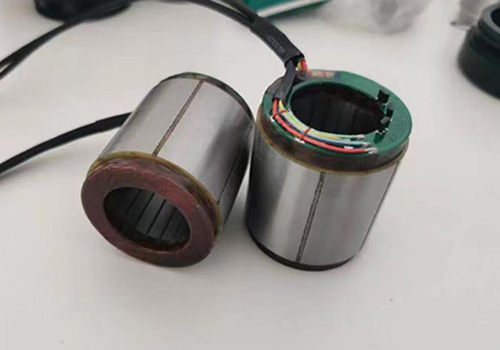
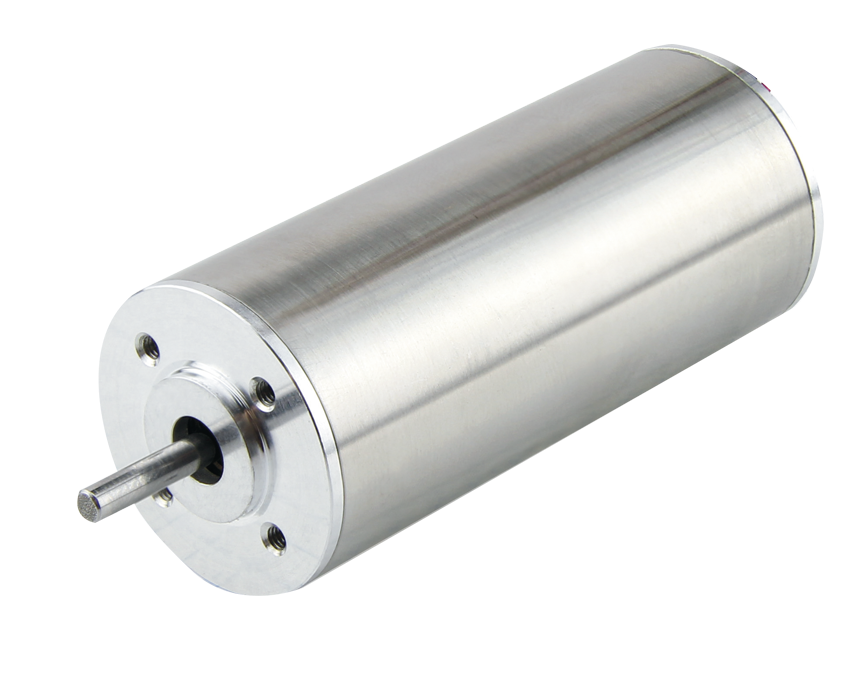
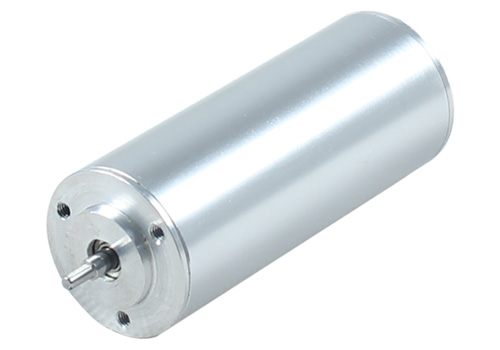
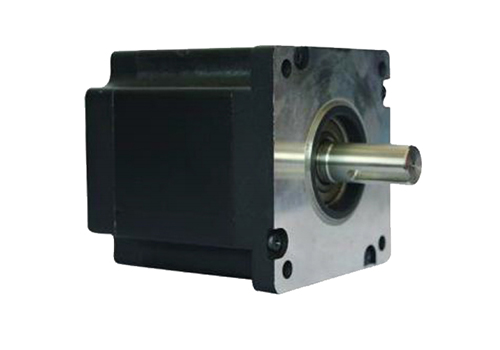
Brushless motors can replace brushless motors. After eliminating the carbon brush and slip ring structures, they can continue to operate at low speeds and high power. They are also small in size, light in weight, low in noise, and have a much longer service life compared to brushless motors. The application of brushless motors is very extensive, ranging from household appliances to aerospace. The main uses of brushless motors can be divided into the following three types:
1. Continuous load applications: The main requirement is a certain speed, but the speed accuracy is not high, such as applications such as fans, pumps, hair dryers, etc. These applications have low costs and are mostly open-loop control.
2. Variable load application: mainly for applications where the speed needs to change within a certain range, there are high requirements for the speed characteristics and dynamic response time characteristics of the motor. For example, household appliances, dryers, and compressors are a good example in the automotive industry in areas such as oil pump control, electronic control, and engine control, and the system cost of such applications is relatively high.
3. Positioning applications: Most industrial control and automation applications belong to this category, where energy transfer is usually completed, resulting in special requirements for dynamic response of speed and torque, as well as higher requirements for controllers.